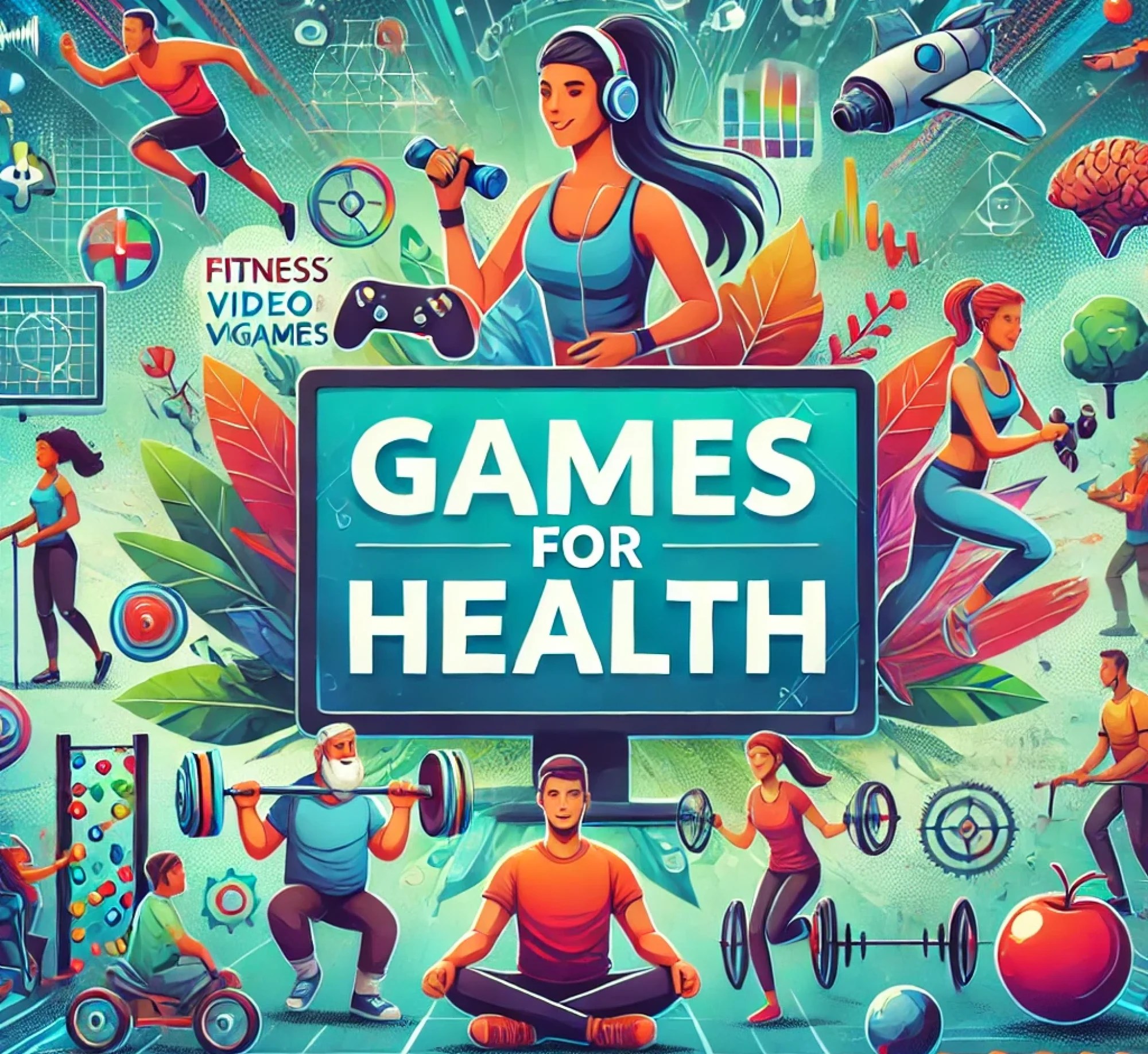
Games for health, often referred to as “serious games” or “health games,” are designed with the primary purpose of improving health outcomes or promoting health-related behaviors. These games leverage elements of gameplay to engage and motivate users in activities that contribute to physical, mental, or emotional well-being. Here are several categories of games for health:
- Physical Activity Games:
- Exergames: Video games that require physical activity, promoting exercise and movement. Examples include Wii Fit, Dance Dance Revolution, and virtual reality fitness games.
- Mental Health and Cognitive Games:
- Brain Training Games: Apps or games designed to enhance cognitive functions such as memory, attention, and problem-solving. Lumosity is an example of a popular brain training app.
- Mindfulness and Relaxation Games: Games that promote relaxation, stress reduction, and mindfulness. These may include meditation apps or games that guide users through calming exercises.
- Nutrition and Healthy Lifestyle Games:
- Nutrition Education Games: Games that teach players about healthy eating habits, portion control, and nutritional content. These games often simulate meal planning or grocery shopping.
- Cooking Games: Simulations that allow players to virtually prepare and cook meals, encouraging healthy cooking practices.
- Chronic Disease Management Games:
- Diabetes Management Games: Apps or games designed to help individuals manage diabetes by tracking blood sugar levels, providing educational content, and encouraging healthy habits.
- Asthma Education Games: Games that educate individuals about asthma triggers, symptoms, and management strategies.
- Rehabilitation and Physical Therapy Games:
- Virtual Rehabilitation Games: Virtual reality or motion-sensing games used as part of rehabilitation programs to improve motor skills and coordination in individuals recovering from injuries or surgeries.
- Public Health and Health Education Games:
- Infection Control Games: Games designed to educate users about hygiene practices, the spread of diseases, and the importance of vaccinations.
- Sexual Health Education Games: Interactive tools that provide information about safe sex practices, contraception, and sexually transmitted infections.
- Wellness and Fitness Apps:
- Fitness Tracking Apps: Apps that monitor physical activity, sleep patterns, and other health metrics to help users maintain a healthy lifestyle.
- Gamified Fitness Apps: Apps that gamify fitness routines by incorporating game-like elements such as achievements, challenges, and rewards to motivate users.
Games for health can be valuable tools in promoting positive behavior change and enhancing health outcomes. However, it’s important to note that these games should be evidence-based and developed in collaboration with healthcare professionals to ensure their effectiveness and safety. Additionally, users should consult with healthcare providers for personalized advice and guidance.
 Games for Health